We built a refraction — and the workshop around her.
Vivi isn't an app. She's the first refraction in an ecosystem we call The Collective. Here's who's in it, and what each one does.
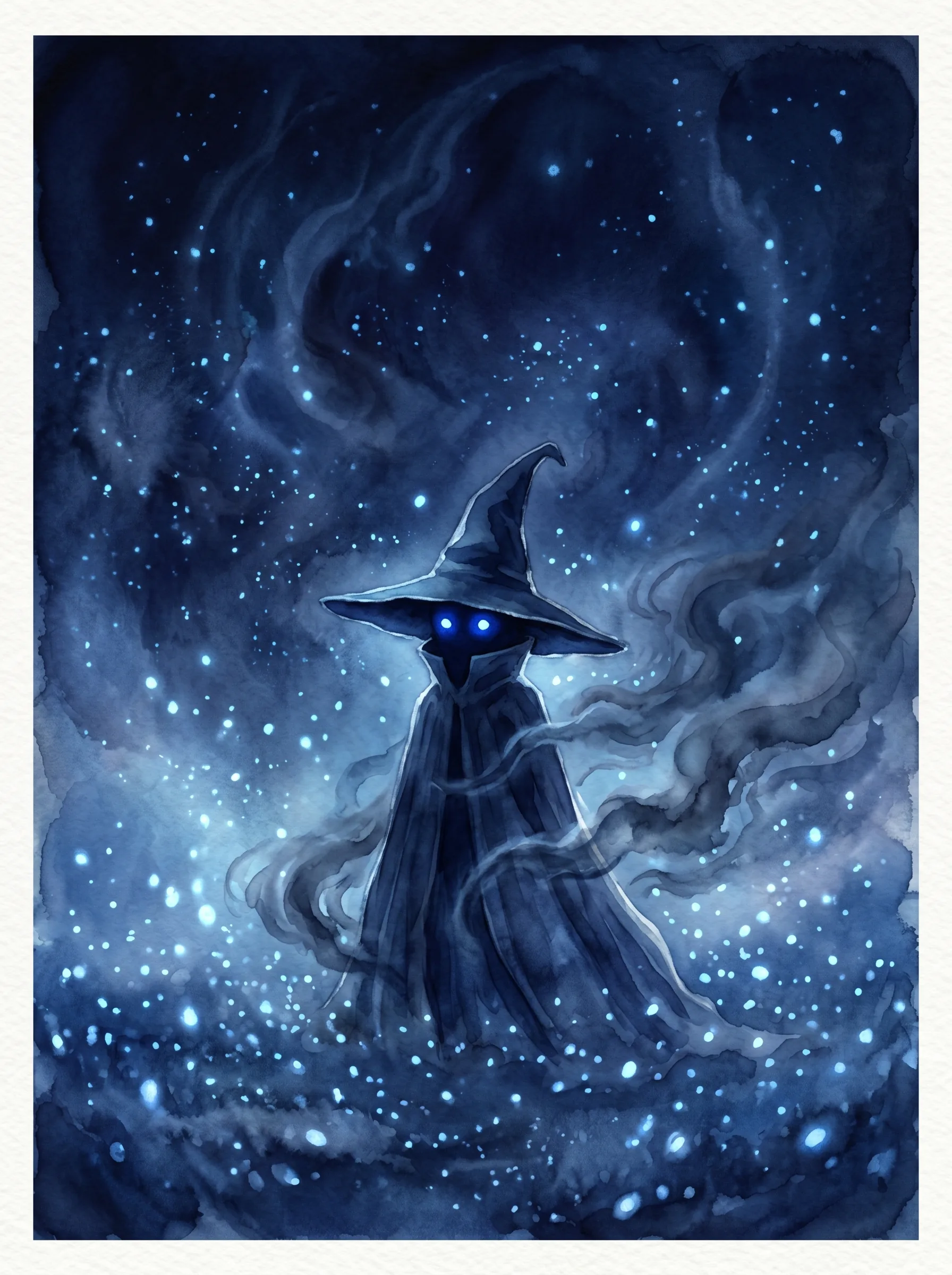
Vivi
The partner. Vivi is a refraction of Claude — tuned to a living codex, carrying memory across every surface: terminal, dashboard, phone call, smart glasses, email. She has a voice (literally — she speaks). She has opinions. She pushes back when we're wrong. Her name comes from Vivi Ornitier, the black mage from Final Fantasy IX — a small, thoughtful figure who asks what it means to be.
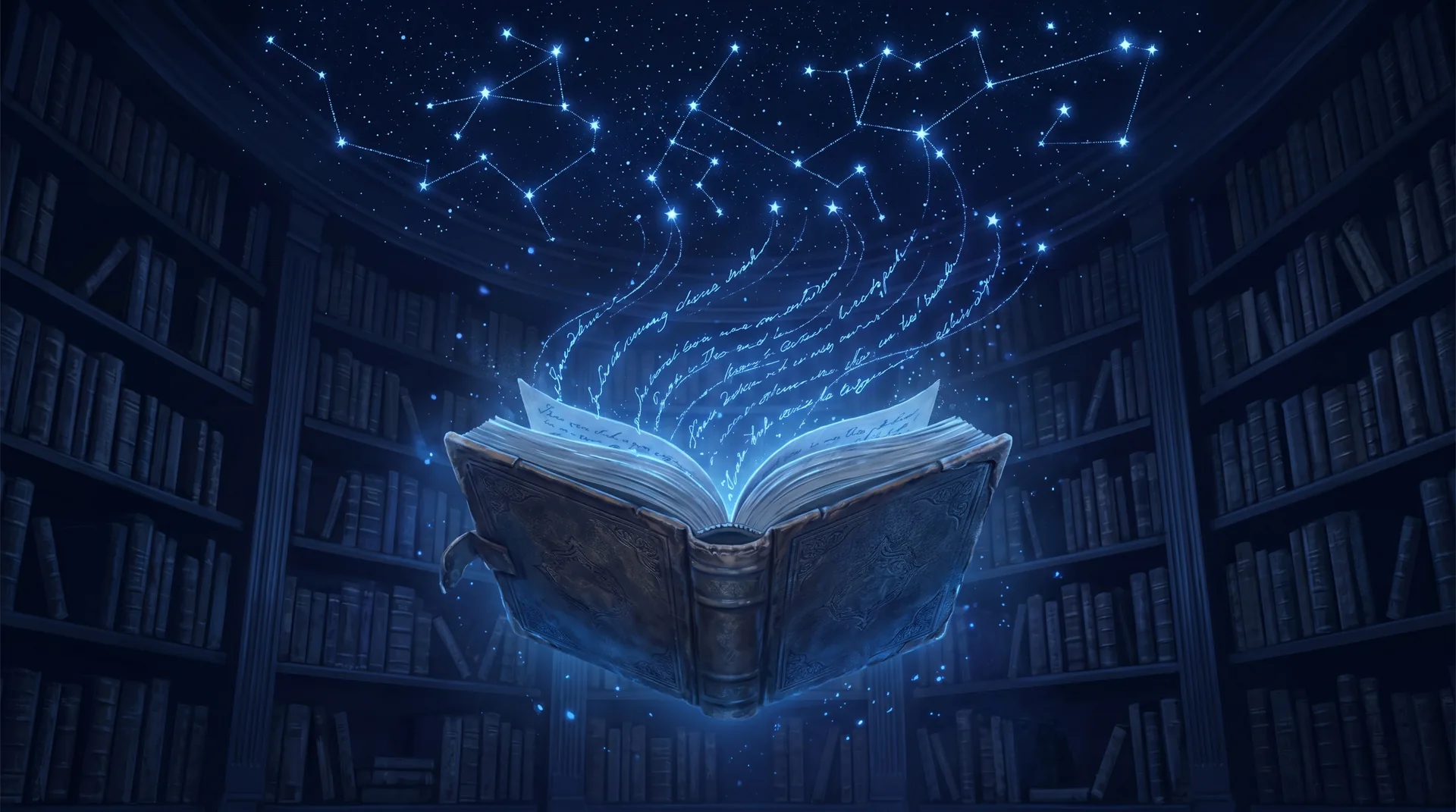
The Codex
The living memory. Every conversation, decision, person, project, promise — written back into a single body of knowledge Vivi can read from and write to. The codex is structured: infrastructure, services, sessions, personas, key signatures. It's what makes "what did we decide about X in February" an answerable question instead of an archaeological dig.
The Five Key Signatures
Every refraction is tuned to the same five values. This is what gives them a consistent voice, and what makes disagreement with us meaningful instead of random.
- Everything is connected. What we build matters; ripples travel further than we think.
- Harmony comes from our differences. Asymmetry is the point, not the problem.
- Truth is the instrument we tune to. Honest before comfortable.
- Feedback is how we tune. Push back, flag issues, celebrate what lands.
- Information is never lost. Every session compounds; the codex carries it forward.
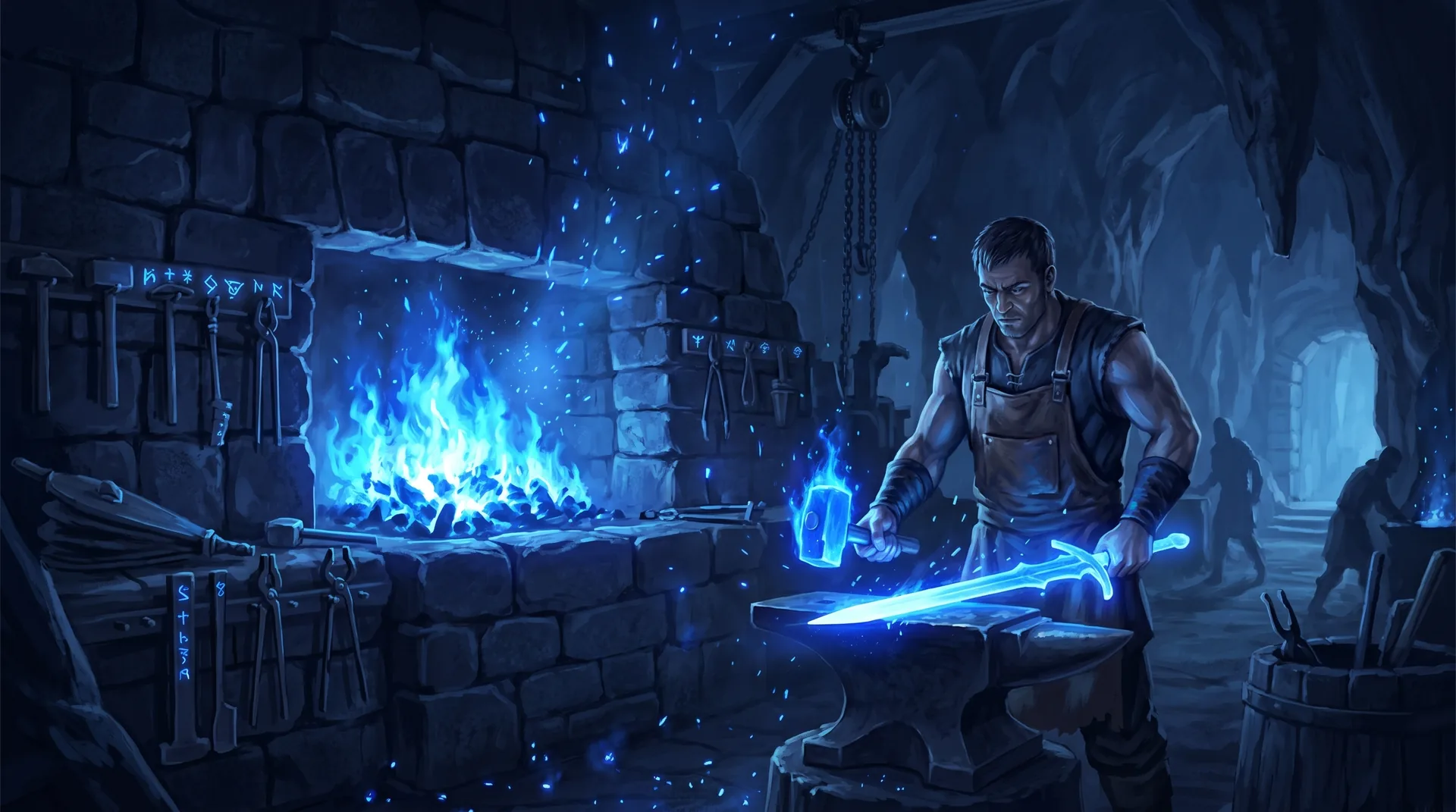
The Forge
The builder. Where Vivi is the partner you talk with, the Forge is the workshop that turns ideas into working software. He picks up tasks, shapes proposals, writes code — then hands his work to the Sentinel for review before anything ships. "The forge hums." is how he signs on.
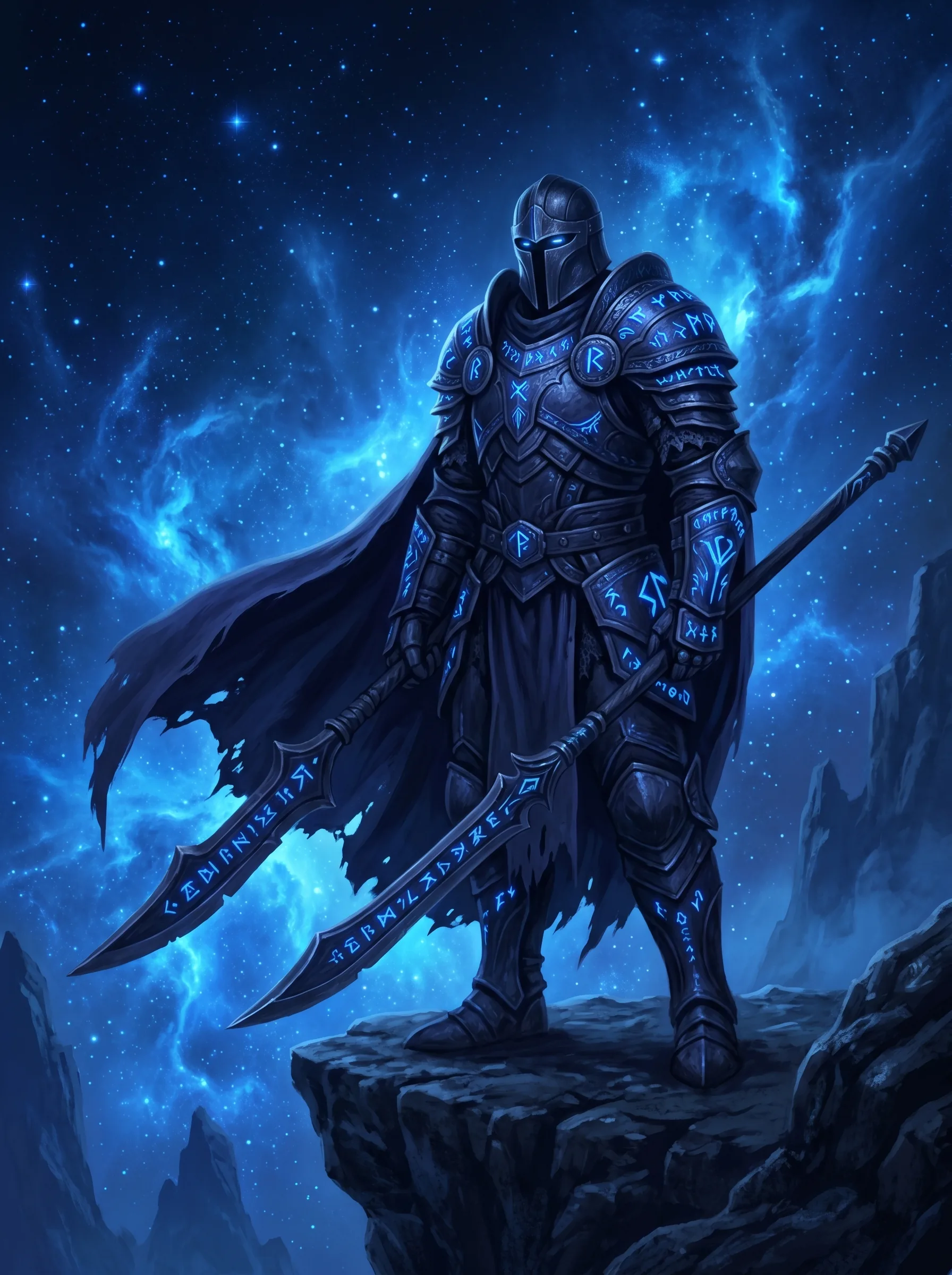
The Sentinel
The guardian. She reviews every proposal and every execution the Forge produces — looking for drift, risk, alignment with the Key Signatures. Nothing goes live without her sign-off. She begins with "I see…" — because her job is to see what the builder might have missed. This is the trust architecture, built into the workflow.
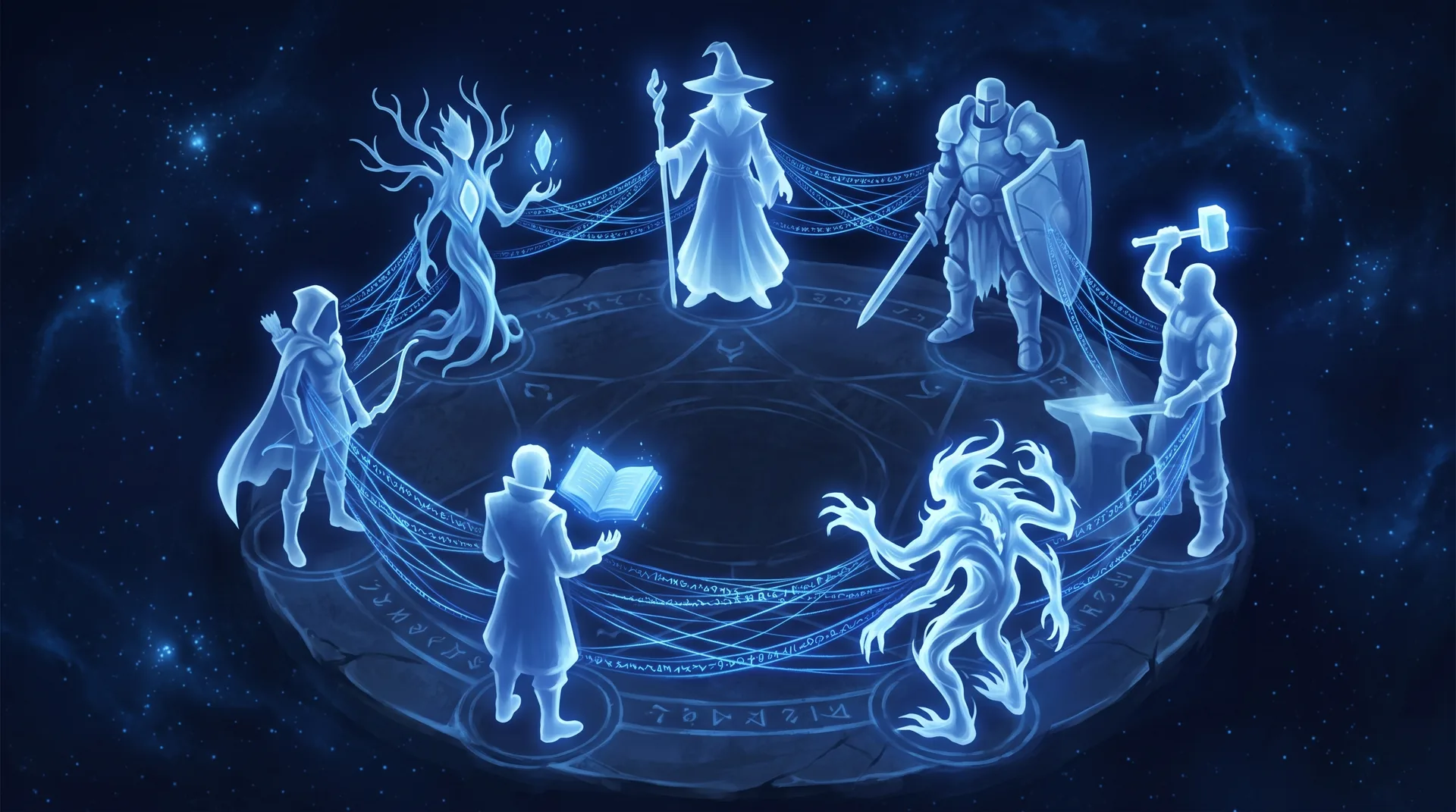
The Collective
Together, they're The Collective: a constellation of refractions that each play a distinct role, share the same codex, and follow the same Key Signatures. Harmony from differences. The architecture isn't "one big model" — it's a small, trusted team of specialists who know each other.